
Media - News
[HCH-CALS Seminar] Contemporary Issues in International Humanitarian Law
The Centre for Asian Legal Studies, in collaboration with the High Commission of Canada, successfully hosted the event “Contemporary Issues in International Humanitarian Law” on 12 November 2025. The seminar took place at Seminar Room 4-4 at the NUS Bukit Timah Campus and brought together leading scholars and practitioners to discuss evolving challenges in international humanitarian law (IHL), with a particular focus on the role of small states in the international legal order.
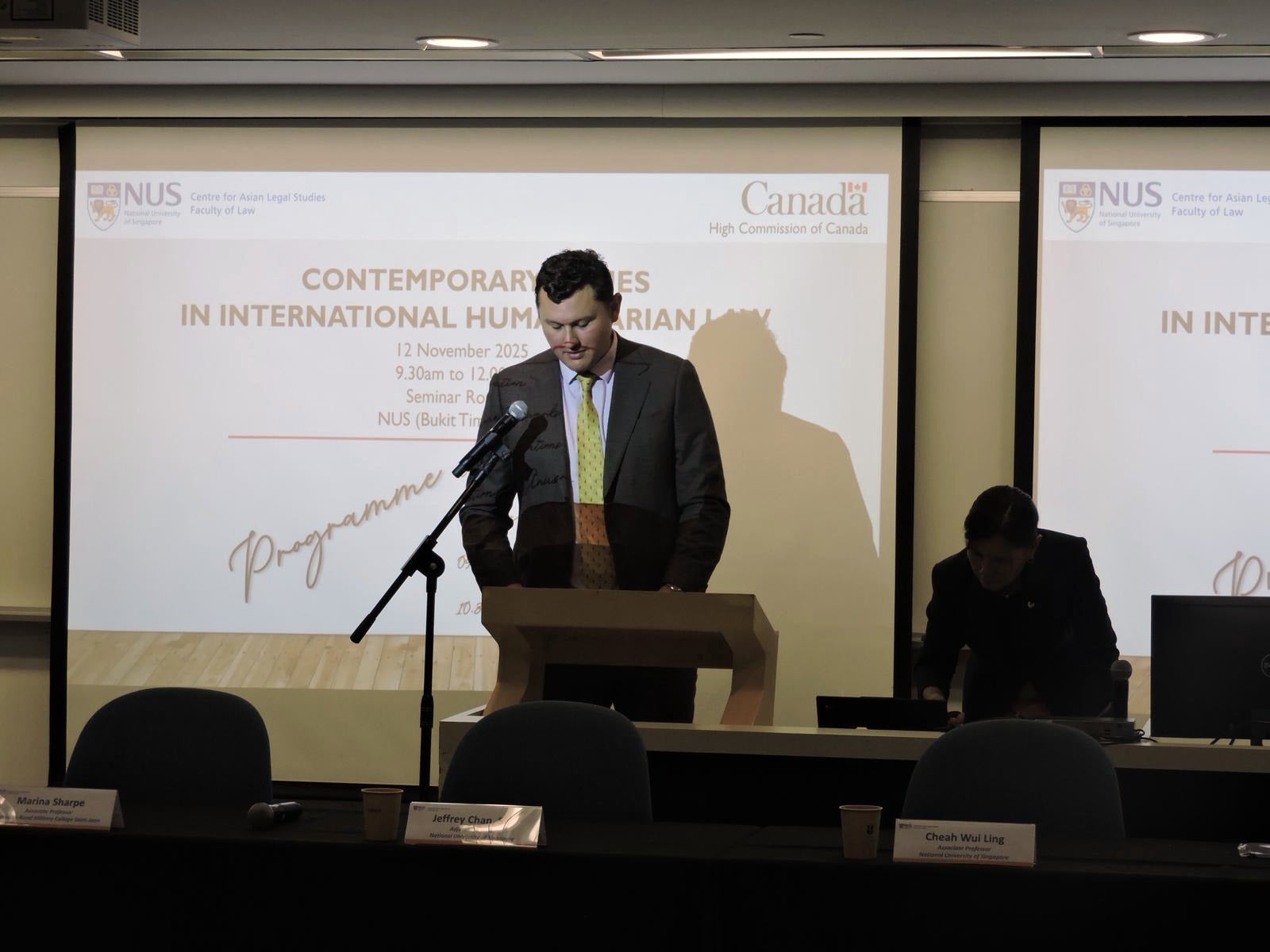
The event commenced with welcome remarks delivered by Mr. Benoit Girouard, Counsellor at the High Commission of Canada. He set the stage by highlighting the significance of safeguarding and strengthening adherence to IHL principles in a time when global conflicts are increasing in complexity. His remarks emphasised the importance of scholarly dialogue in shaping informed policy responses to contemporary humanitarian challenges.
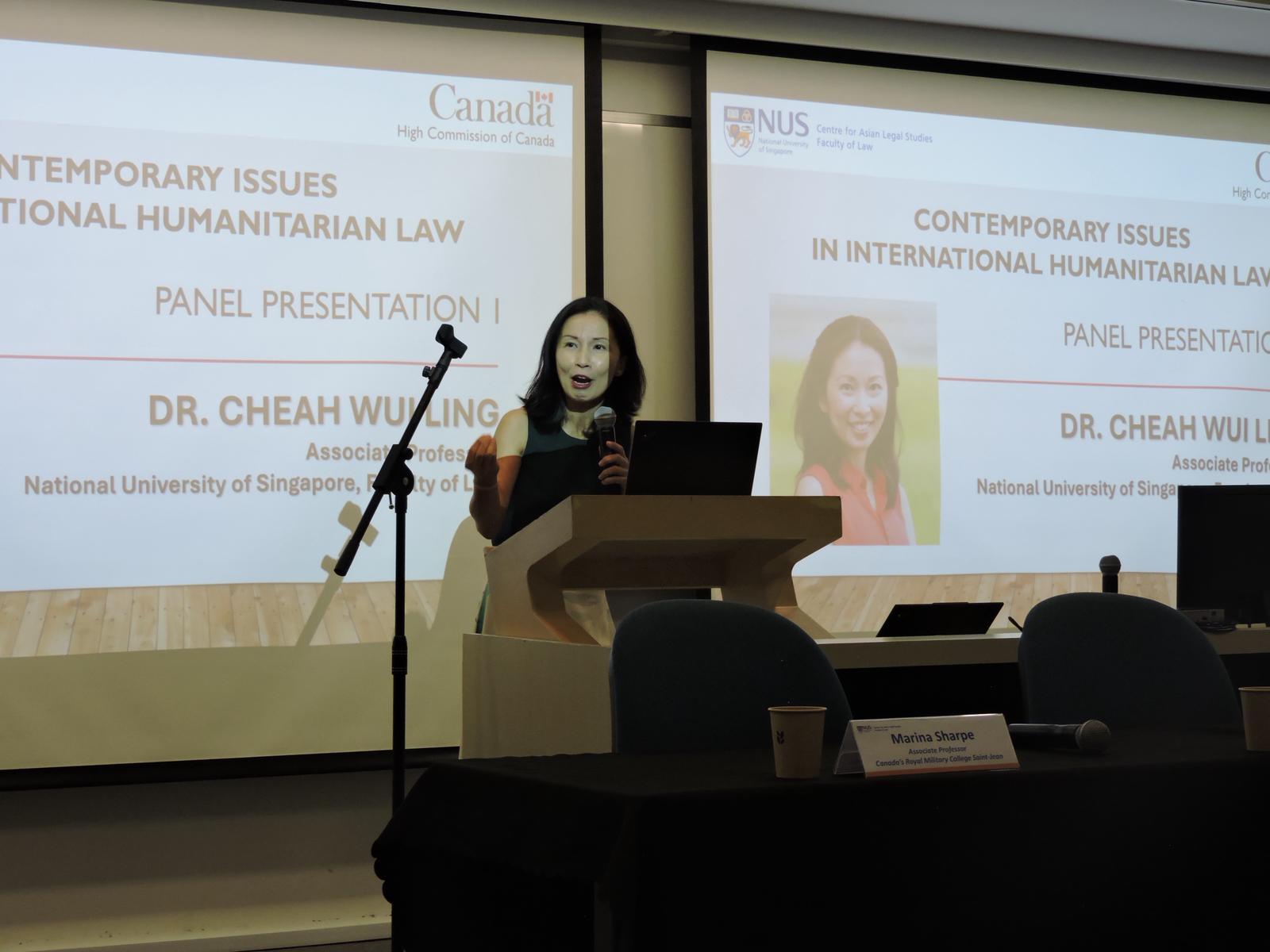
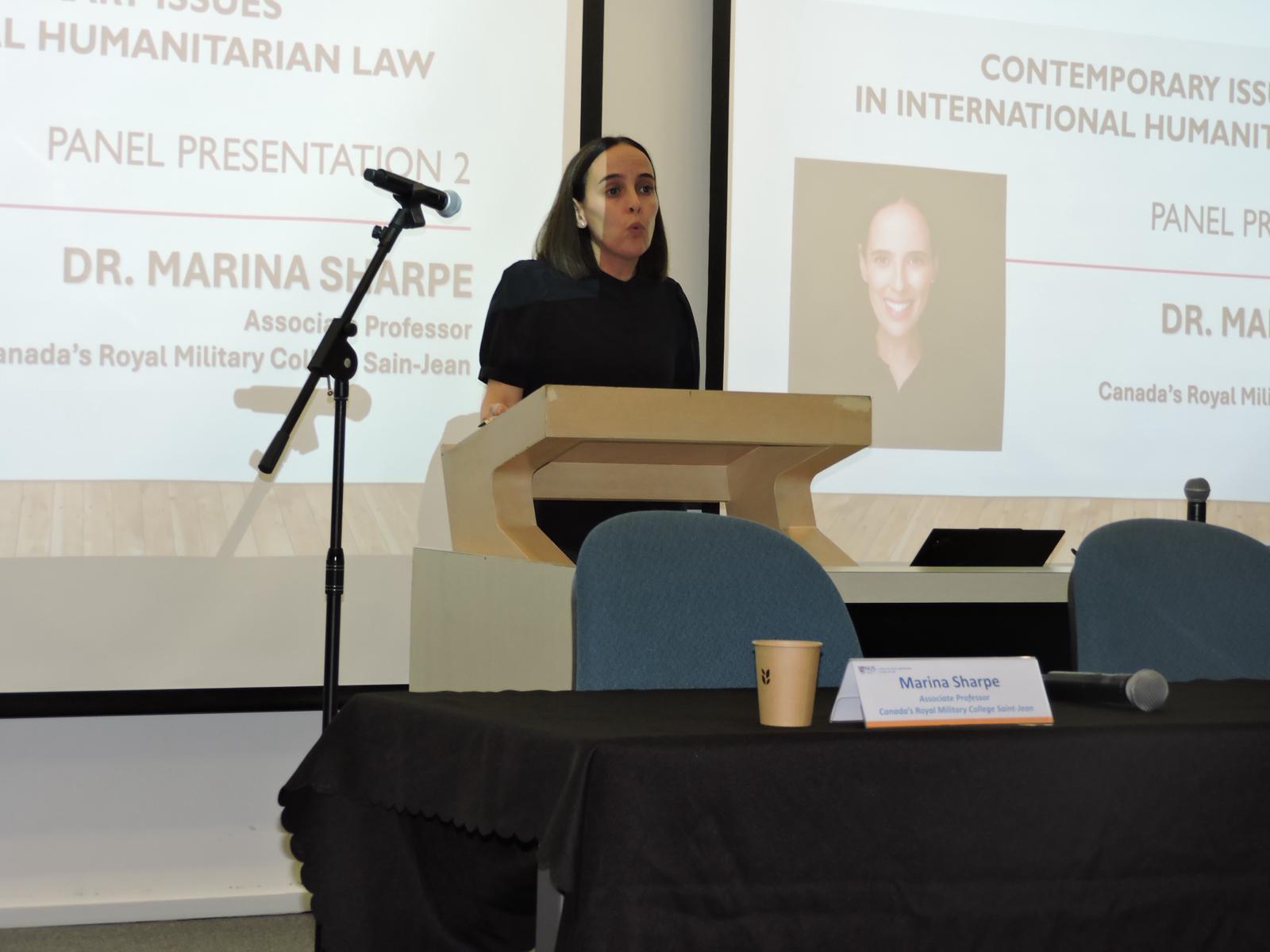
The programme continued with a series of panel presentations featuring Associate Professor Cheah Wui Ling (National University of Singapore), Dr. Marina Sharpe (Canada’s Royal Military College Saint-Jean), Senior Counsel Jeffrey Chan, S.C. (Adjunct Professor, NUS Law), and Dr. Sam White (Senior Research Fellow, Centre for International Law, NUS). Each speaker provided a substantive examination of different aspects of IHL, contributing to a well-rounded and interdisciplinary discussion. Associate Professor Cheah opened the panel with an analysis on the need for IHL to pay more attention to issues affecting civilians, such as those coerced into collaboration, while Dr. Sharpe and Senior Counsel Chan delivered presentations on the obligations of states and the challenges facing IHL enforcement. Dr. Sam White served as the moderator for the session, facilitating the flow of the discussion and coordinating the engagement with participants.
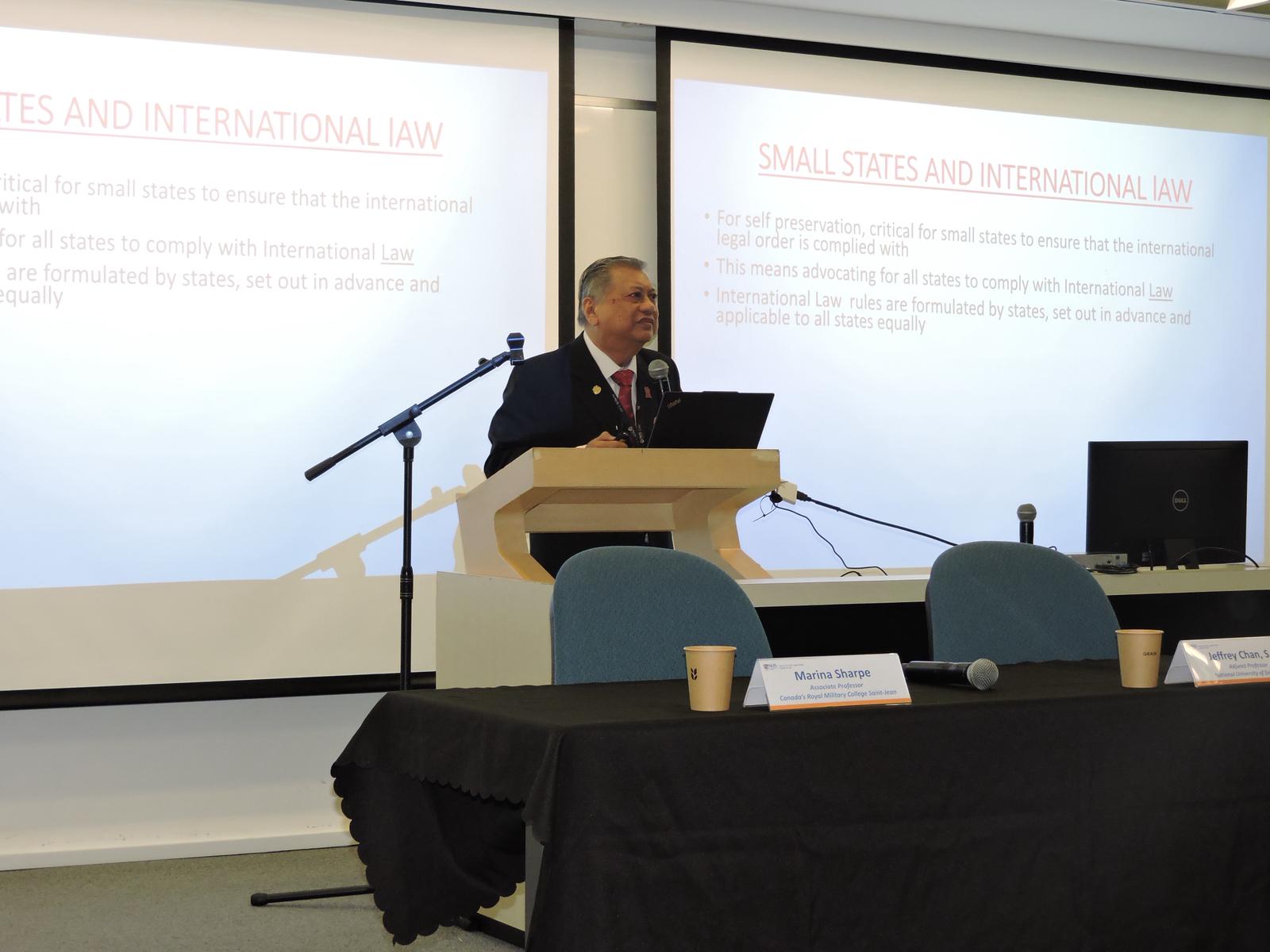
A key theme that emerged from the presentations was the vulnerability of small states in the global order and the critical importance of IHL as a safeguard against political, economic, and military aggression. Senior Counsel Chan’s presentation, “Small States and International Humanitarian Law,” highlighted that IHL—rooted in the principles of humanity, distinction, and proportionality—serves to mitigate suffering during armed conflict. He noted that small states have an instinctive interest in advocating for strong compliance with IHL, as the rules of international law provide one of the few protective shields available to them. His remarks also underscored the responsibility of small states to speak out collectively against blatant violations of IHL, to accede to all relevant IHL instruments, and to preserve IHL as a normative standard in global conflict situations.
Another major point raised during the seminar was the growing threat to IHL posed by calls to disregard established rules of engagement. The speakers collectively stressed that the erosion of IHL compliance would have severe consequences for small states, not only in armed conflicts but also politically and economically. The importance of multilateral cooperation, collective advocacy, and consistent adherence to international legal norms was highlighted as essential for maintaining the integrity of the global humanitarian framework.
Following the presentations, participants engaged in a lively question-and-answer session, which allowed for deeper exploration of the issues raised. Attendees posed questions regarding enforcement mechanisms, the practical challenges of upholding IHL in modern conflict environments, and the implications of emerging geopolitical trends for small states. The dialogue generated thoughtful reflections on how states can strengthen their resilience and exert influence within the international legal system.
The seminar concluded with a note of appreciation to all attendees for their participation. A lunch and networking session followed, providing an opportunity for speakers, academics, practitioners, and students to continue their conversations in an informal setting. The event successfully facilitated meaningful exchange on complex and timely humanitarian issues, reinforcing the shared commitment to advancing the understanding and application of international humanitarian law.