

Media - News
NUS and Malaysia student groups unite on pro bono work for at-risk youth in Thailand

This year’s edition of the Thai-ed with Love initiative by the NUS Pro Bono Group (PBG) is particularly significant. It marks a collaboration with law students from Malaysia for the first time, in addition to the longstanding partnership with Thailand’s Thammasat University (TU) since Thai-ed with Love was started 10 years ago.
Every year, a group of NUS Law students go on an exchange trip to Bangkok to engage in pro bono discussions on different themes with their TU peers. The inclusion of students from two Malaysian universities, specifically from the Universiti Malaya (UM) Legal Clinic and the International Islamic University Malaysia (IIUM) Legal Aid Club, is thus a milestone, enriching the experience of our students and fostering a vibrant exchange of ideas related to the pro bono culture in Thailand, Singapore and, now, Malaysia.
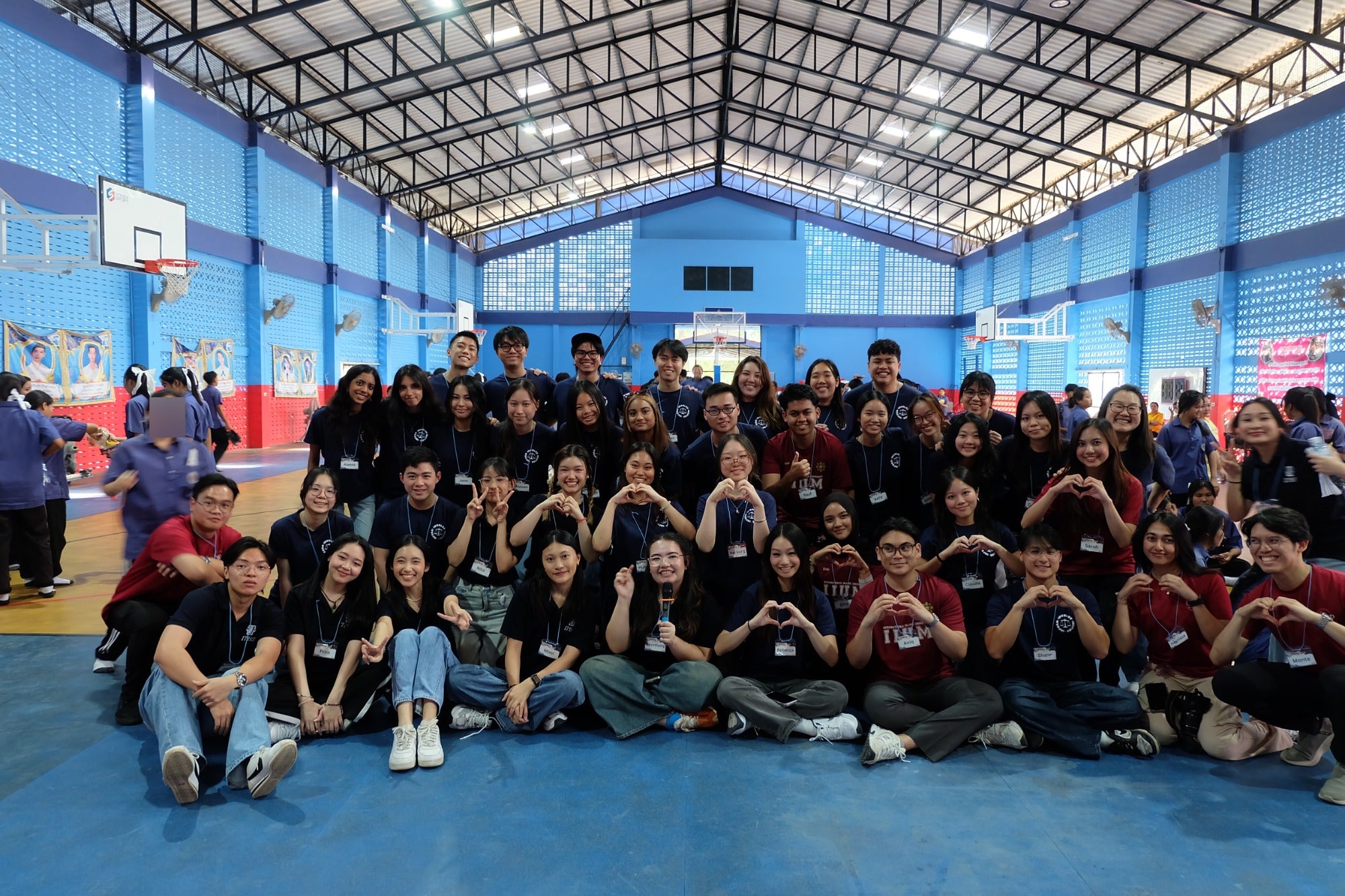
From 5 to 7 January 2025, 26 NUS Law students from NUS PBG embarked on the Thai-ed with Love trip to meet their Thai and Malaysian peers, with the objective of developing a global perspective of pro bono work related to the theme of at-risk youth. However, their interaction started way before the trip, as they painstakingly put together a brochure aimed at educating children about domestic violence, after months of research and collaboration. It was not without challenges, as PBG Vice President (External), Rebecca Wong ’27, shared. “With all of us juggling school examinations in the lead-up to the trip, scheduling discussions online was particularly difficult. Finding time to refine the content while managing our revision required effective coordination and commitment,” she said.
As a result, the highlight of the trip was a visit to the Wat Sa Kaew Orphanage, as the law students from all four universities were able to engage directly with the children that would receive the brochure. Located in the town of Pa Mok in the Ang Thong Province, about 100 km north of Bangkok, the facility is home to nearly 2,000 children from challenging backgrounds, providing not only shelter but also access to food, education and opportunities to develop the children’s potential.
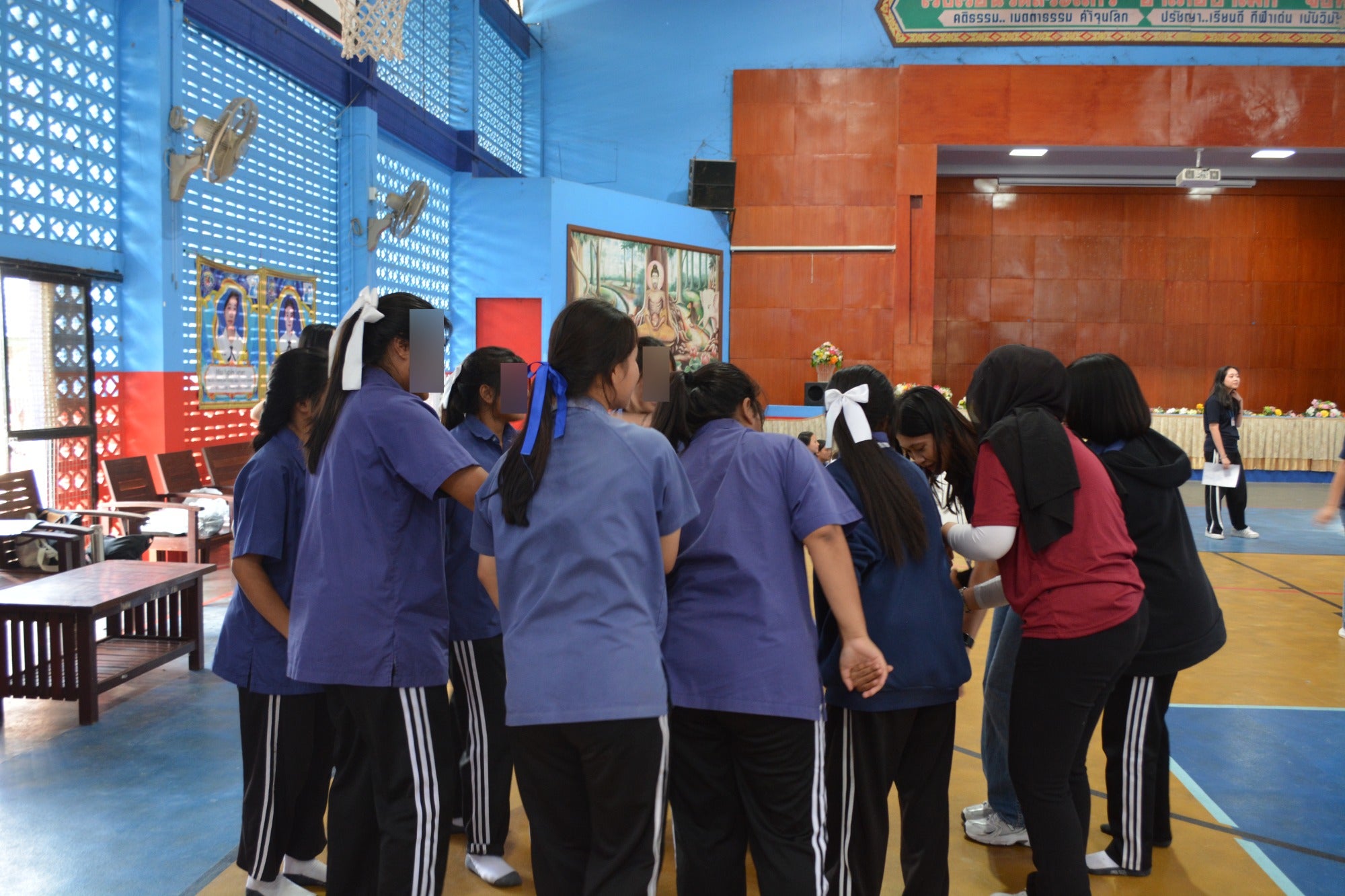
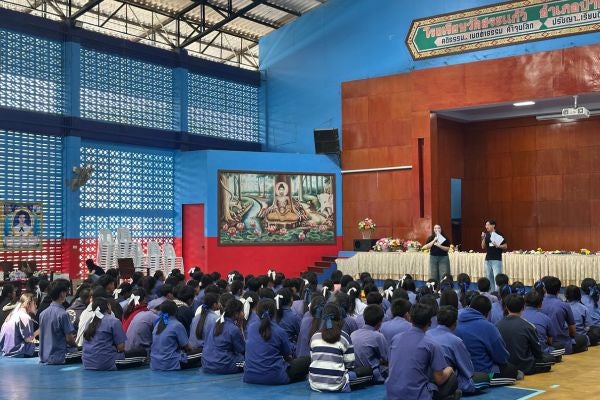
The students led a series of ice-breaker games for 109 children. Despite the language barrier, the TU students and PBG’s longtime supporter, Ms Kitiarsa Rungnapa (a lecturer with the Centre for Language Studies at NUS Faculty of Arts & Social Sciences), played a pivotal role in bridging communication, ensuring the activities were engaging, impactful and meaningful. Following that, every child received a copy of the brochure, which defined domestic violence, outlined the legal protections available, and highlighted support services for victims. The TU students took the lead, shedding light on the prevalence of domestic violence and breaking down the content into relatable terms. Remarking on how memorable the experience was, Daren Lim ’27, PBG Project Law Help Project Director, said: “The children were attentive, highly engaged in the games, and very receptive to learning new things. It was heartwarming to see their eagerness to learn and participate.”
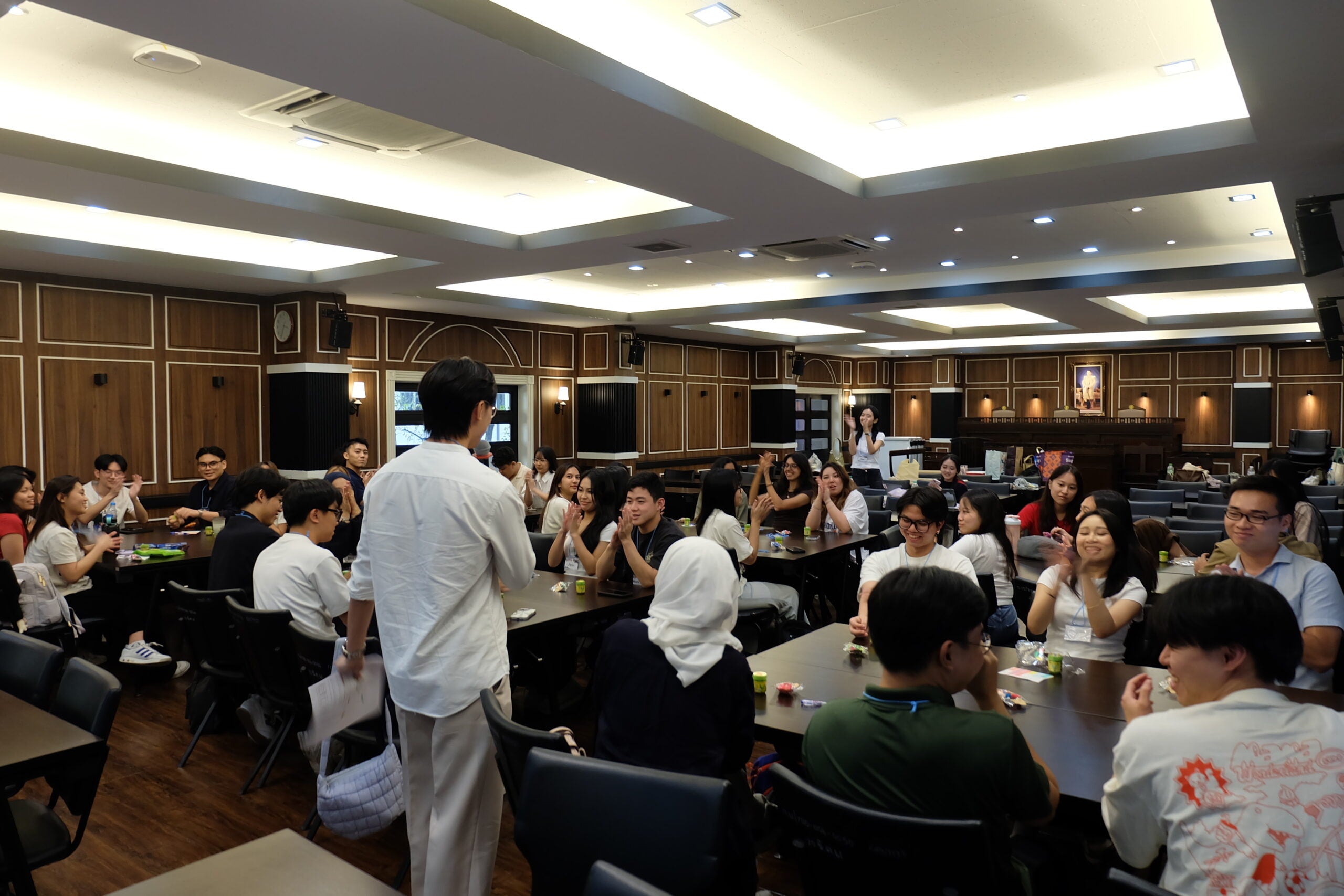
Back at the TU Law campus, the students explored the varied interpretation of pro bono work across borders, showcasing the creativity and resourcefulness each group brings to addressing local needs. The session also inspired fresh ideas and highlighted the universal importance of pro bono efforts. Tiffany Leow ’27, PBG Moot Parliament Programme Project Director, said: “It was fascinating to learn how different jurisdictions approach pro bono work, and it broadened my perspective on the diverse ways legal education can be used to serve communities.” Echoing her sentiments, Rebecca said: “Hearing about UM and IIUM’s hands-on involvement in community-based legal aid such as giving advice in their legal clinics, as well as TU’s outreach efforts to assist small and medium enterprises, broadened our perspective on how pro bono initiatives can be tailored to local contexts.”
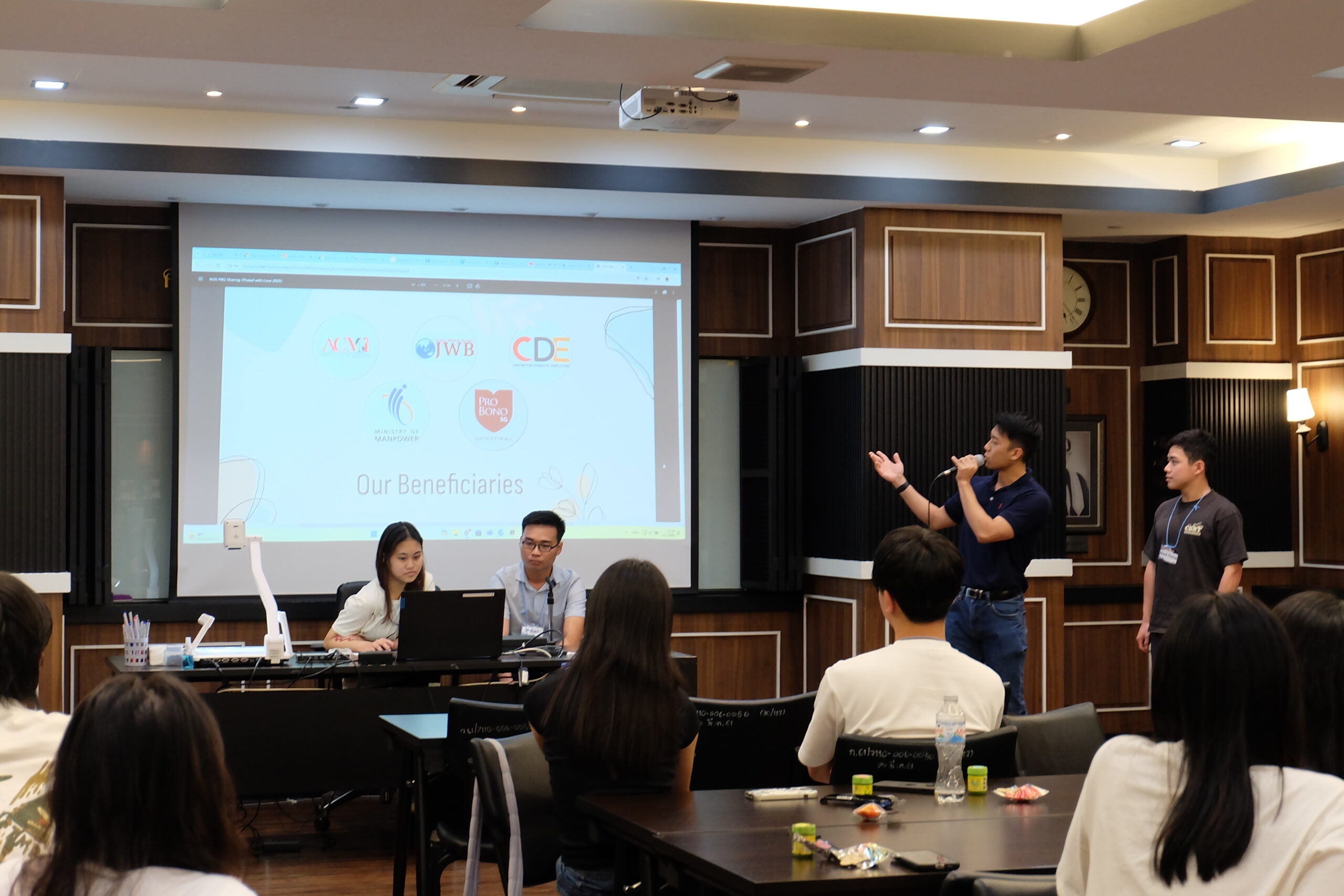
Students also had the privilege of visiting Kudun & Partners, a prominent commercial law firm in Thailand, to gain insights into the role of pro bono work in legal practice. Mr Peerasanti Somritutai, a partner at Kudun & Partners, gave his take on the practical realities and often-overlooked complexities of balancing pro bono commitments within a law firm’s demanding environment.
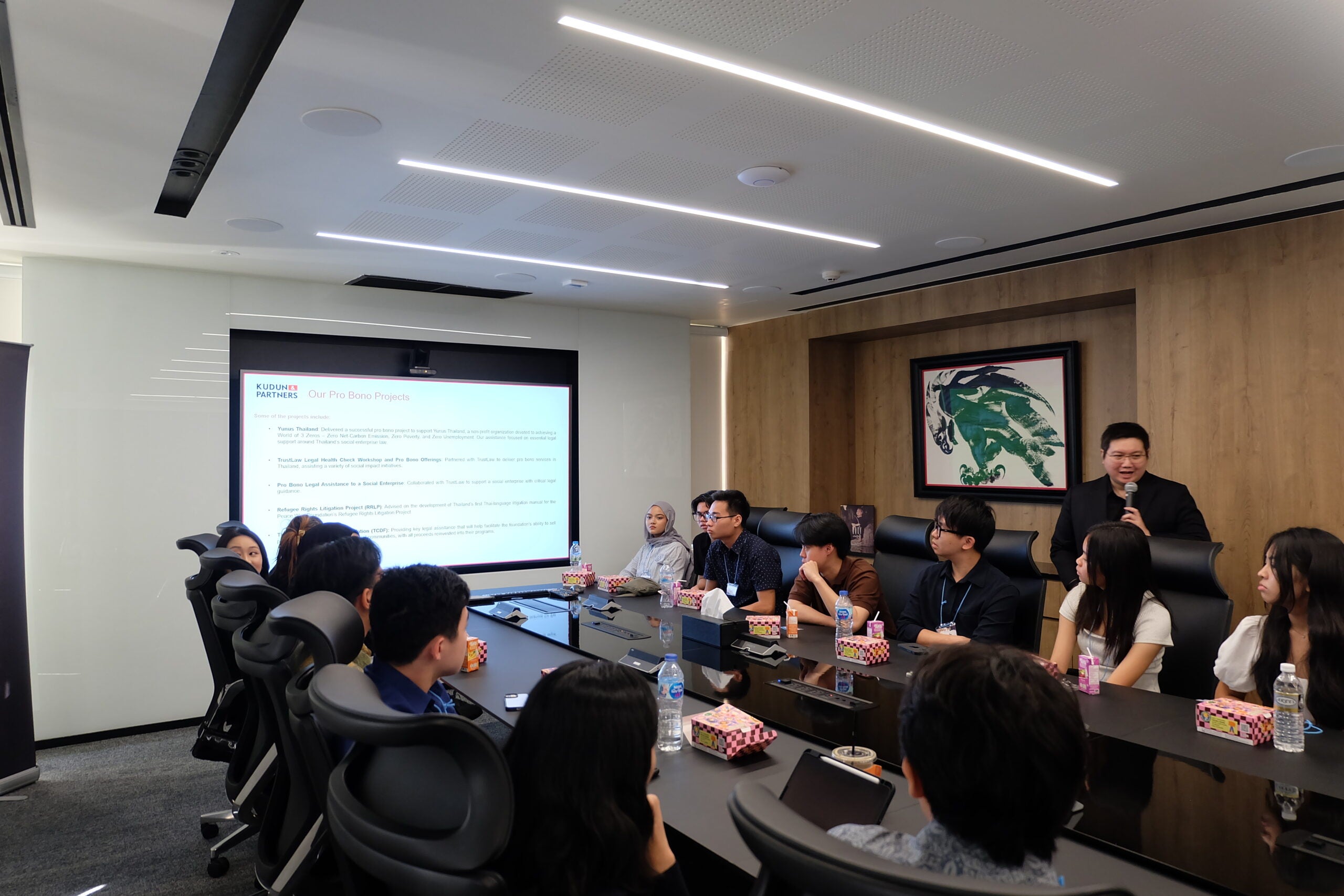
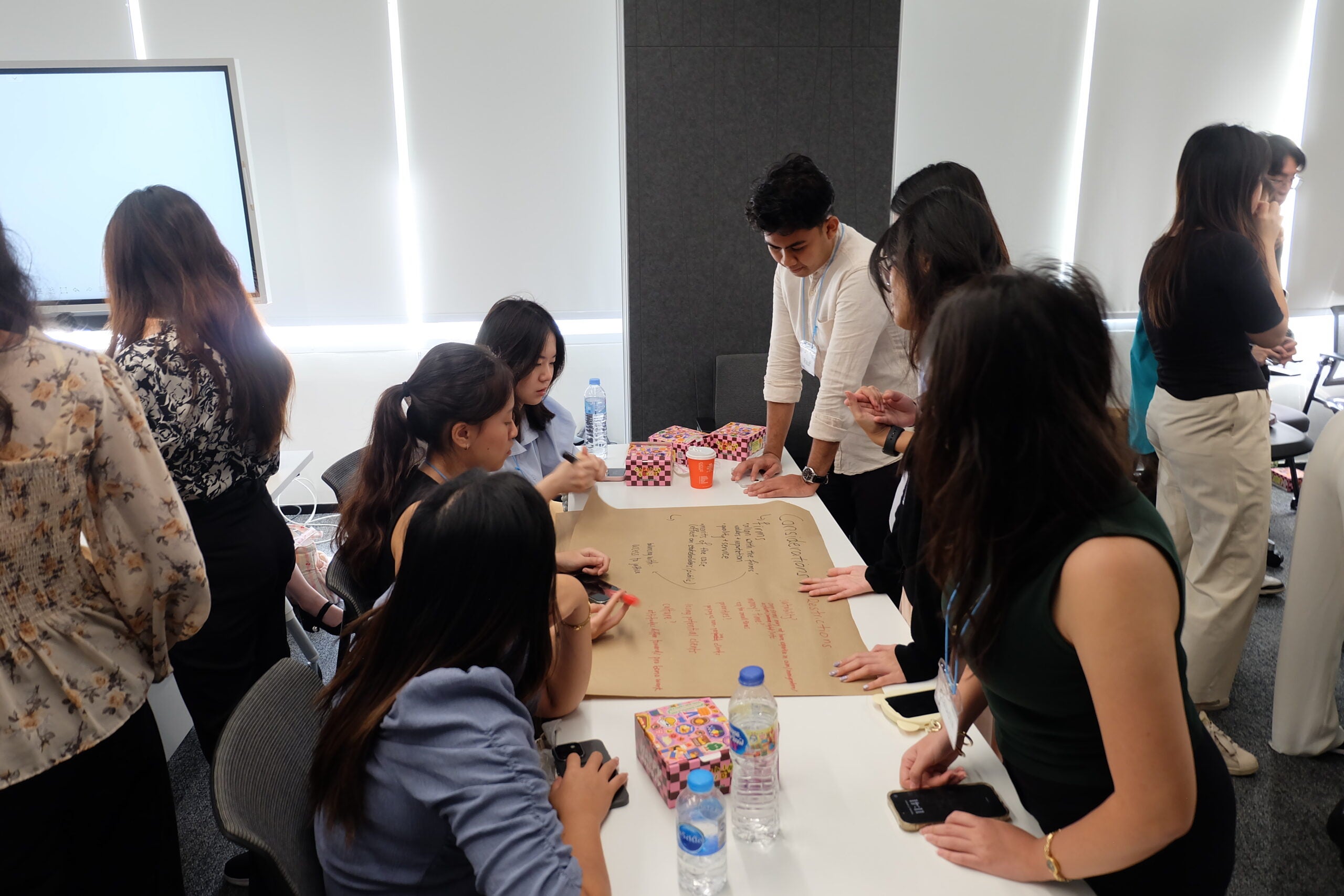
The visit culminated in dynamic group discussions and presentations by the students, where they shared their views on the considerations law firms and lawyers have to weigh when undertaking pro bono work. Ultimately, the students gained a deeper appreciation of the intricacies of integrating meaningful pro bono work into professional practice.
Summing up her experience, Rebecca spoke of how she learnt the value of adaptability. “As one of the programme organisers, the entire trip has been a tremendous learning experience. Coordinating with multiple stakeholders, juggling school exams, and planning a hands-on pro bono activity in a foreign jurisdiction all presented unique challenges. However, through perseverance, teamwork and open communication, we were able to navigate these obstacles. I gained a deeper appreciation for the power of collaboration in pro bono work.”
Certainly, her views mirror those of the students who embarked on this year’s Thai-ed with Love trip, who have returned with an appreciation for the power of empathy and adaptability through meaningful connection with their peers and the community, and a renewed commitment to make a difference in the lives of others.
About NUS Pro Bono Group:
The NUS Pro Bono Group (PBG) is the Law Faculty’s student-run organisation devoted to fostering a strong pro bono culture among NUS Law students. PBG strives to nurture compassionate and socially conscious lawyers who are dedicated to championing access to justice and making a meaningful impact through pro bono work.
NUS PBG would like to express immense gratitude to the following individuals:
Associate Professor Helena Whalen-Bridge LLM ’02 (Faculty Advisor, NUS Pro Bono Group) and Mr Clement Cheong (Manager, Student Affairs, NUS Faculty of Law) for their kind assistance throughout the organisation and preparation process for the trip;
Ms Kitiarsa Rungnapa (Lecturer, Centre for Language Studies, NUS Faculty of Arts and Social Sciences) for accompanying us on the trip, invaluable pre-trip preparation and orientation, and always looking out for our well-being; and
Mr Peerasanti Somritutai (Partner, Kudun & Partners) for kindly hosting our visit to Kudun & Partners and conducting an insightful sharing on pro bono.