
Media - News
Professor Zhu Ciyun Examines Key Reforms and Challenges in China’s Company Law
 |
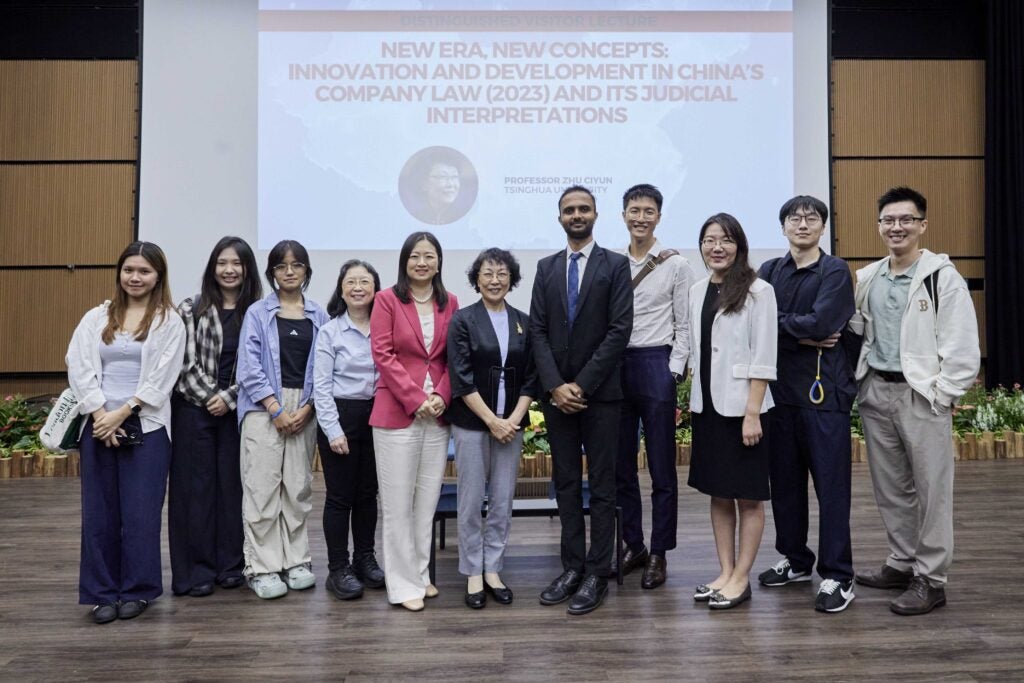 |
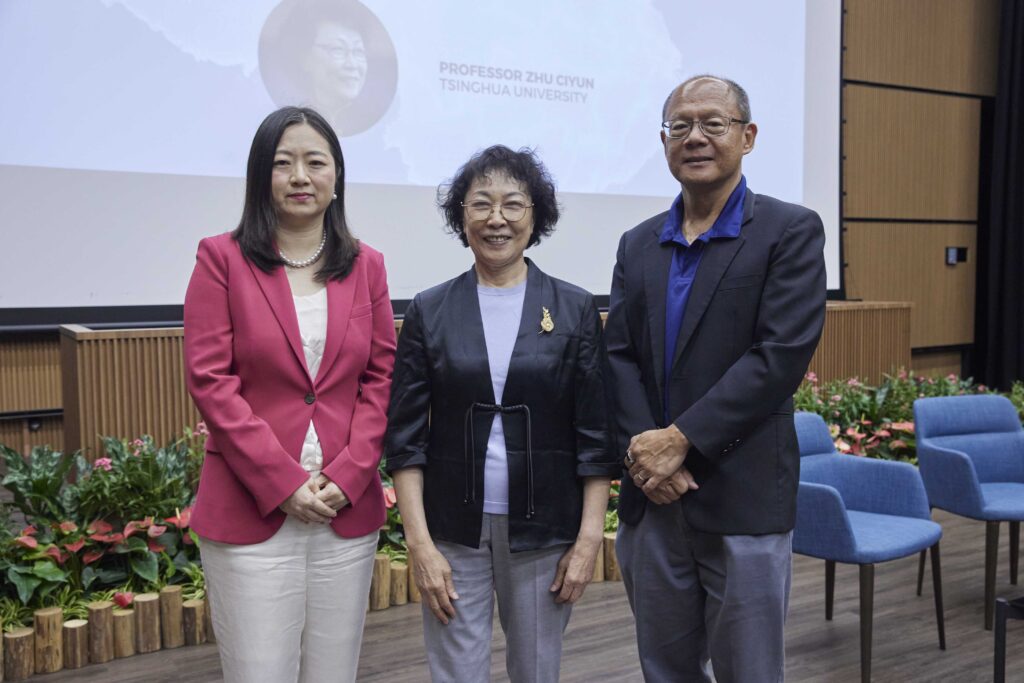
The EW Barker Centre for Law & Business (EWBCLB), Faculty of Law, National University of Singapore, hosted a Distinguished Visitor Lecture on 2 October 2026 examining major reforms to China’s Company Law and the challenges of their implementation, featuring Professor Zhu Ciyun of Tsinghua University School of Law.
Titled Innovations and Developments in China’s 2023 Company Law and Its Judicial Interpretations, the lecture explored how the revised legislation, which took effect on 1 July 2024, seeks to strengthen corporate governance, improve capital regulation and enhance accountability.
Professor Zhu traced the evolution of China’s Company Law since its introduction in 1993, highlighting the latest reforms as a significant development in the country’s corporate legal framework.
A central focus was the restructuring of directors’ duties and liabilities. Professor Zhu explained how the legislation strengthens fiduciary obligations, expands directors’ responsibilities and shifts corporate governance towards greater board accountability. She also discussed new provisions addressing conflicts of interest, related-party transactions and the liability of controlling shareholders who exercise influence without formally serving as directors.
Turning to corporate capital, Professor Zhu examined stricter shareholder contribution requirements for limited liability companies alongside more flexible financing arrangements for joint-stock companies.
The lecture also addressed emerging legal questions concerning shareholder litigation, creditor protection, nominee shareholding and investment repurchase agreements.
Professor Zhu further assessed the Supreme People’s Court’s proposed judicial interpretations, highlighting the challenges of developing comprehensive rules for increasingly complex commercial activities.
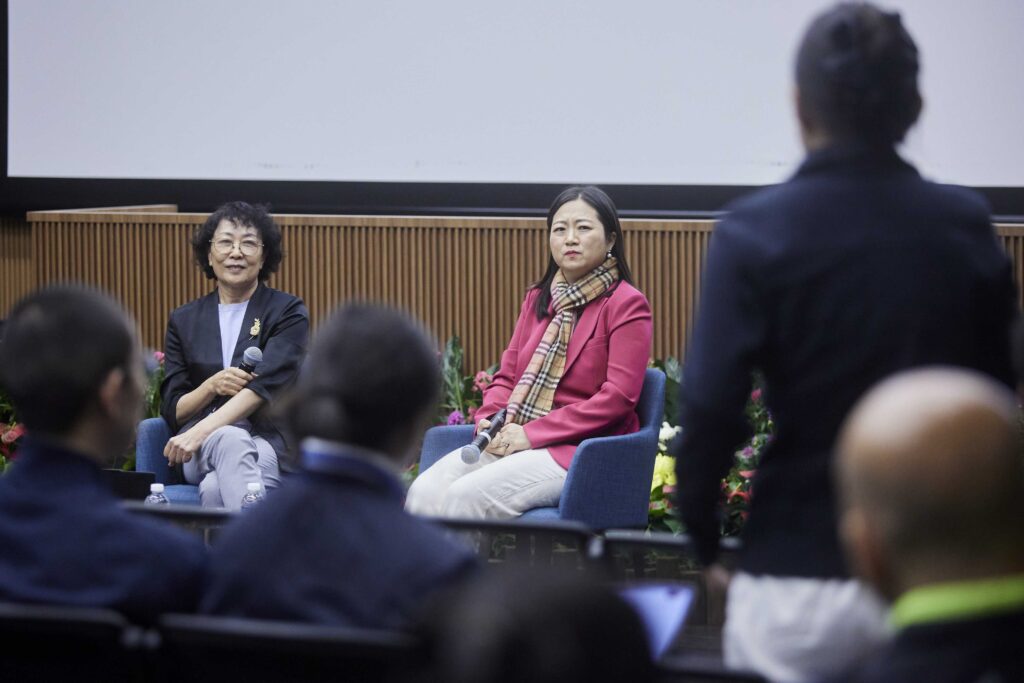
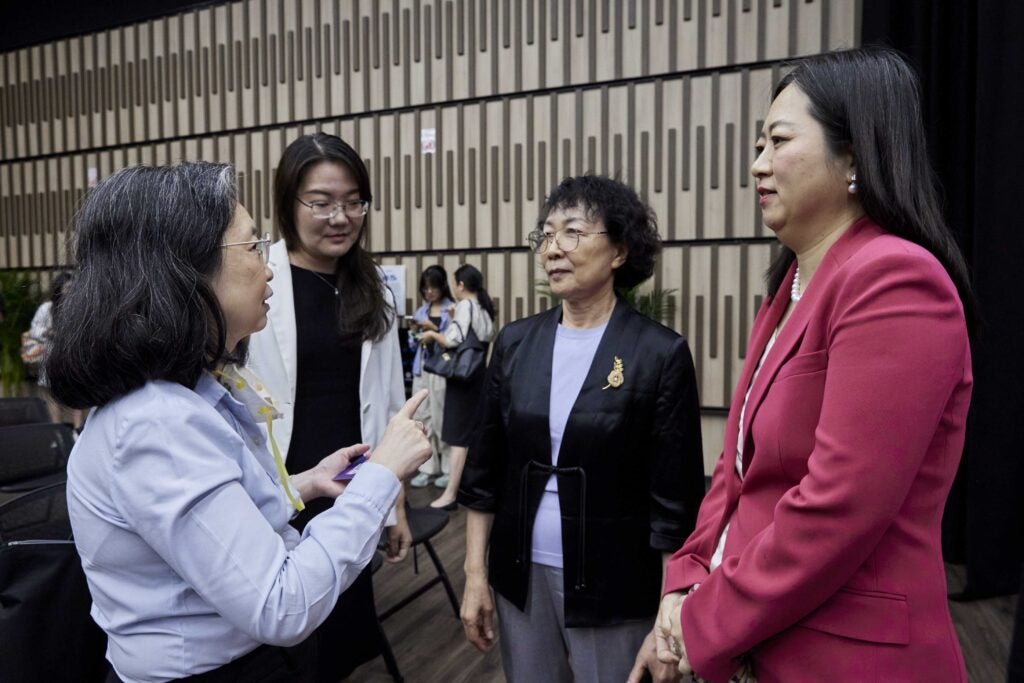
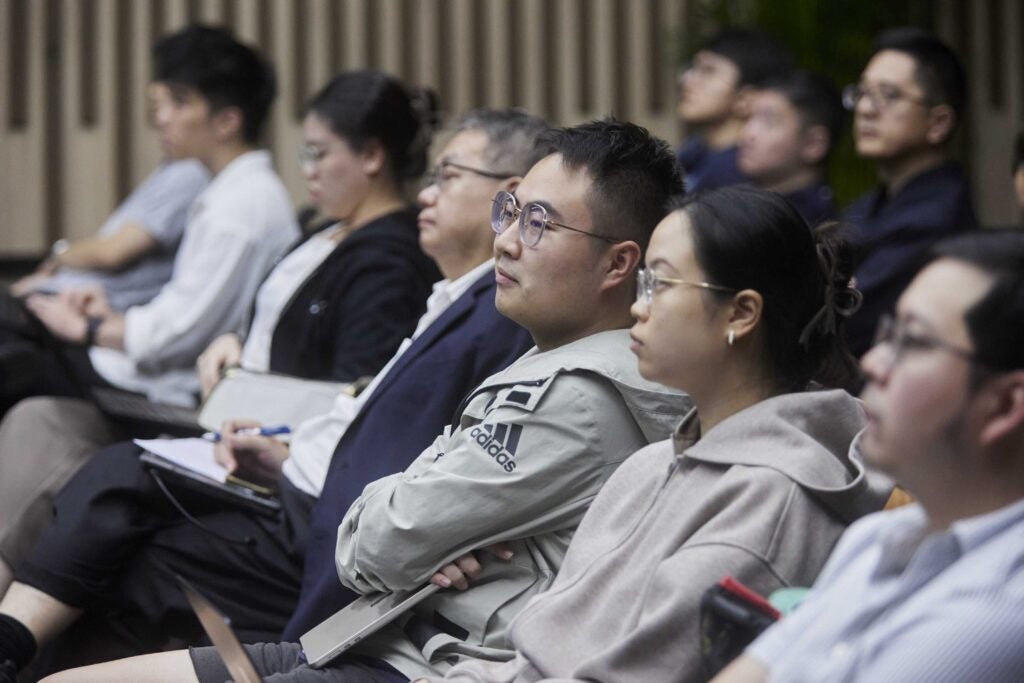
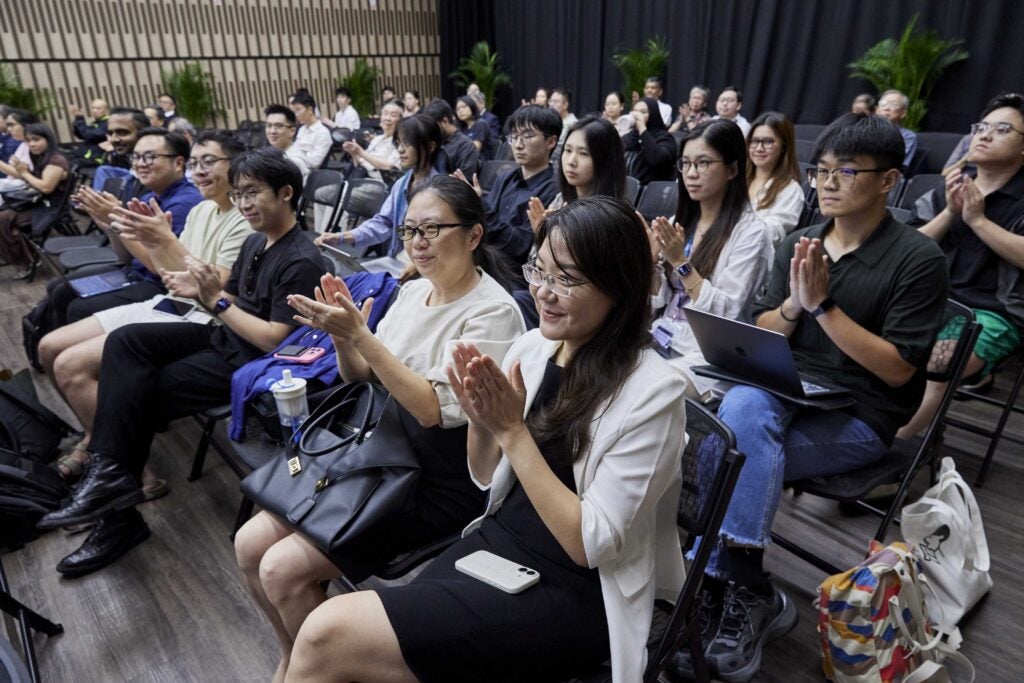
The lecture brought together academics, legal practitioners and professionals from various fields, fostering an engaging exchange of perspectives. A thought-provoking Q&A session followed, providing an opportunity for participants to engage with Professor Zhu on the legal and practical implications of China’s evolving corporate law framework.
 |
 |
 |
 |
 |
 |